Course for practitioners
Edition I · November 2026

Bonding bez tajemnic.

Composite modelling in the anterior segment. Original workflow from the office.
Apply 8 places · small group
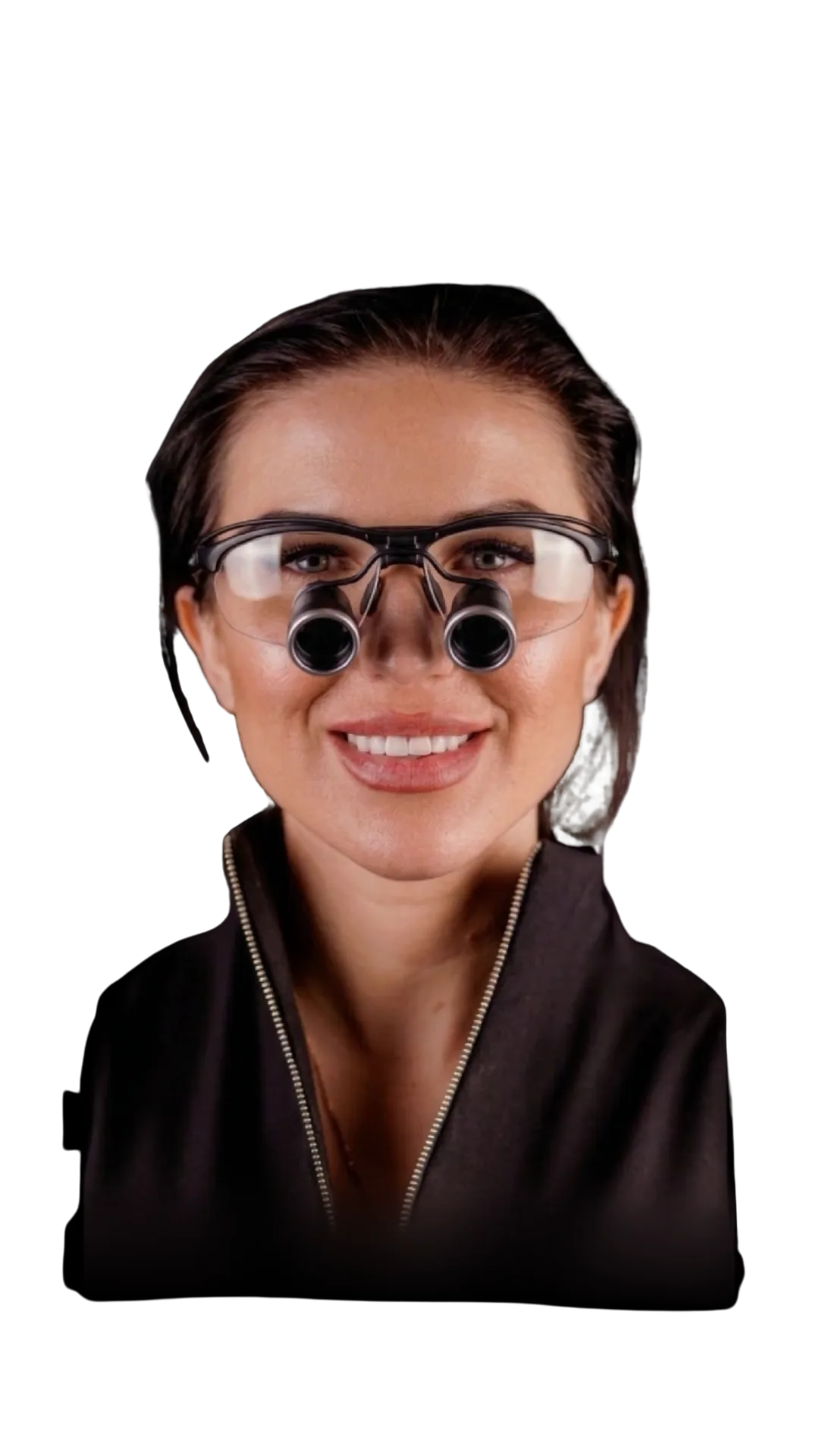
Dr. Dominika Smurzyńska - portrait with clinical magnifiers
Instructor DominikaSmurzyńska
Place Hotel Binkowski ·Kielce
Format One day· hands-on
02 — Who it is for

For dentists who want to develop their clinical technique.

The course addresses recurring problems reported by dentists working with composite. If these sound familiar from your own practice, this hands-on format may be the right next step.

Decision

“I have been meaning to take this step for years.”

One day of intensive work according to a specific sequence - from planning to polishing. A workflow that you can use later in your own office.

Results

“I perform bonding, but I am not satisfied with the results.”

For dentists who want to improve their composite modelling and receive direct correction from a more experienced operator.

Workflow

“I do not know where to begin.”

We follow a proven workflow: proportions, length, occlusion, selection of materials, order of layers and polishing.

Education

“No one taught me this at dental school.”

Additive aesthetic dentistry is rarely taught from start to finish at dental school. Here you learn a structured clinical workflow and put it into practice immediately.

Correction

“I need someone who will correct my mistakes.”

Eight stations, working in parallel with the instructor and corrections for each typodont. This is a composite bonding workshop, not a lecture for a large group.

Development

"I want bonding to become my calling card."

After the course, you leave with a structured workflow you can use in your practice and refine through subsequent cases.

03 — What you practise

In practical terms, over one intensive day.

Three areas you work on during the course. Without theory detached from work at the chair.

Modelling

Anterior segment modelling

Working on your own typodont, you complete the full composite modelling sequence: length, axis, proportions, anatomy, texture and polishing. You work alongside the instructor, who corrects each stage as you progress.

Materials · workflow

Materials and workflow

You learn Dr Smurzyńska's complete clinical workflow: how to select and apply each layer, and when the treatment plan needs to change. Instead of a generic product list, you leave with a structured protocol. The complete set of instruments and composites can be ordered during the course.

Communication

Conversation with the patient

We practice conversation with an aesthetic patient: how to present a plan, discuss the limitations of the composite and talk about occlusion, proportions and durability. Thanks to this, the patient understands the treatment plan even before it starts.

05 — Instructor
Dr Dominika Smurzyńska - portrait in the practice

Dominika Smurzyńska


Dentist · Founder of Ideal Dent · Kielce

She specialises in full-arch composite transformations, including occlusal planning, smile proportions and gingival contouring.

Her portfolio includes hundreds of documented cases. She provides comprehensive treatment for patients who require extensive aesthetic correction, from gingival preparation and occlusal planning to full-arch transformations of the maxilla and mandible.

"A practitioner, not a lecturer."

The course is based on workflow developed in everyday work with patients.

More about the author
06 - FAQ

Frequently asked questions.

Questions we most often get before signing up.

Who is this composite bonding course for?
For dentists who already perform bonding of single teeth and want to move on to modelling in the anterior segment. This is not a basic course - we assume knowledge of adhesion and working with composites. The scope of work also requires basic practice in clinical photography, planning proportions and talking to an aesthetic patient.
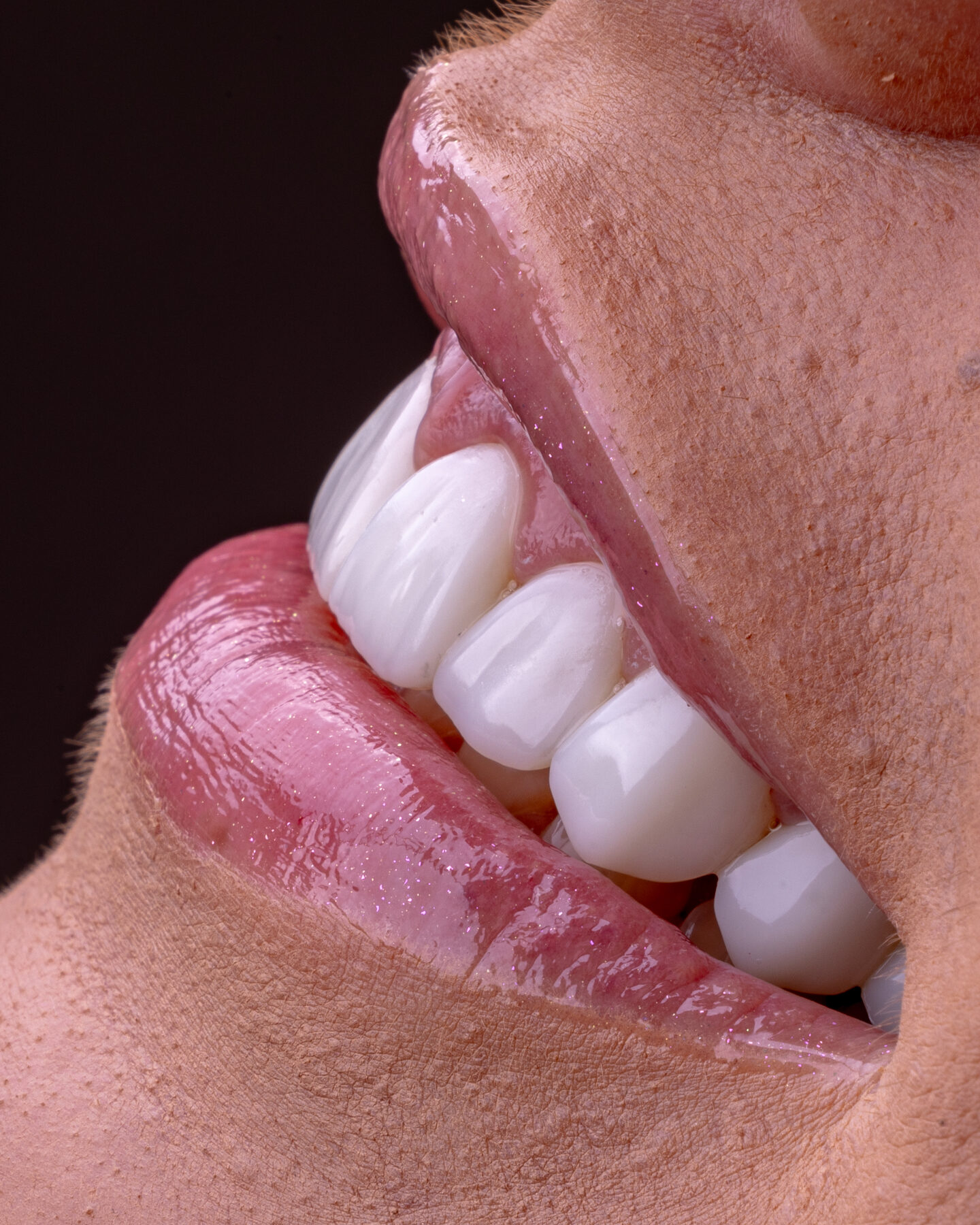
What exactly will I practise during the course?
You work at your own station and typodont. You model the anterior segment with composite - from planning the proportions and applying the first layer to anatomy, texture and polishing. We also discuss selection of materials and tools and conversation with an aesthetic patient.
Can I deduct the course or get funding?
Yes. The course is invoiced and may qualify as a professional development expense. Two funding routes are available in Poland: KFS and reimbursement from a Regional Medical Chamber (OIL) (KFS can cover up to 90% of the fee and, from 2026, also includes eligible sole traders).
How is this course different from other bonding courses?
In this course, you do not simply observe a demonstration. You model the entire anterior segment on your own station, in full magnification and using an additive approach - without tooth preparation. We work with loupes, that's why bring your own.
What is a full-arch transformation with composite bonding?
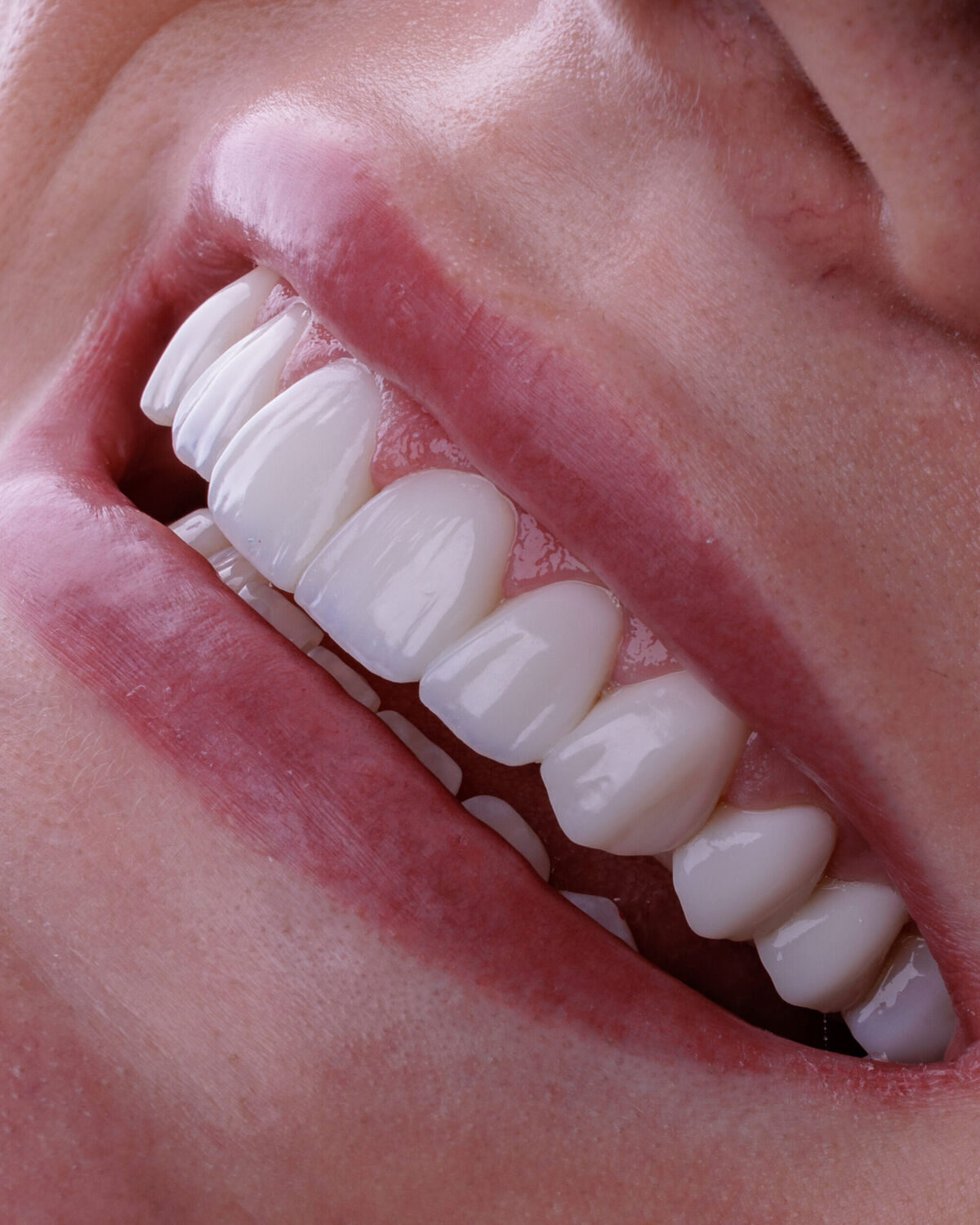
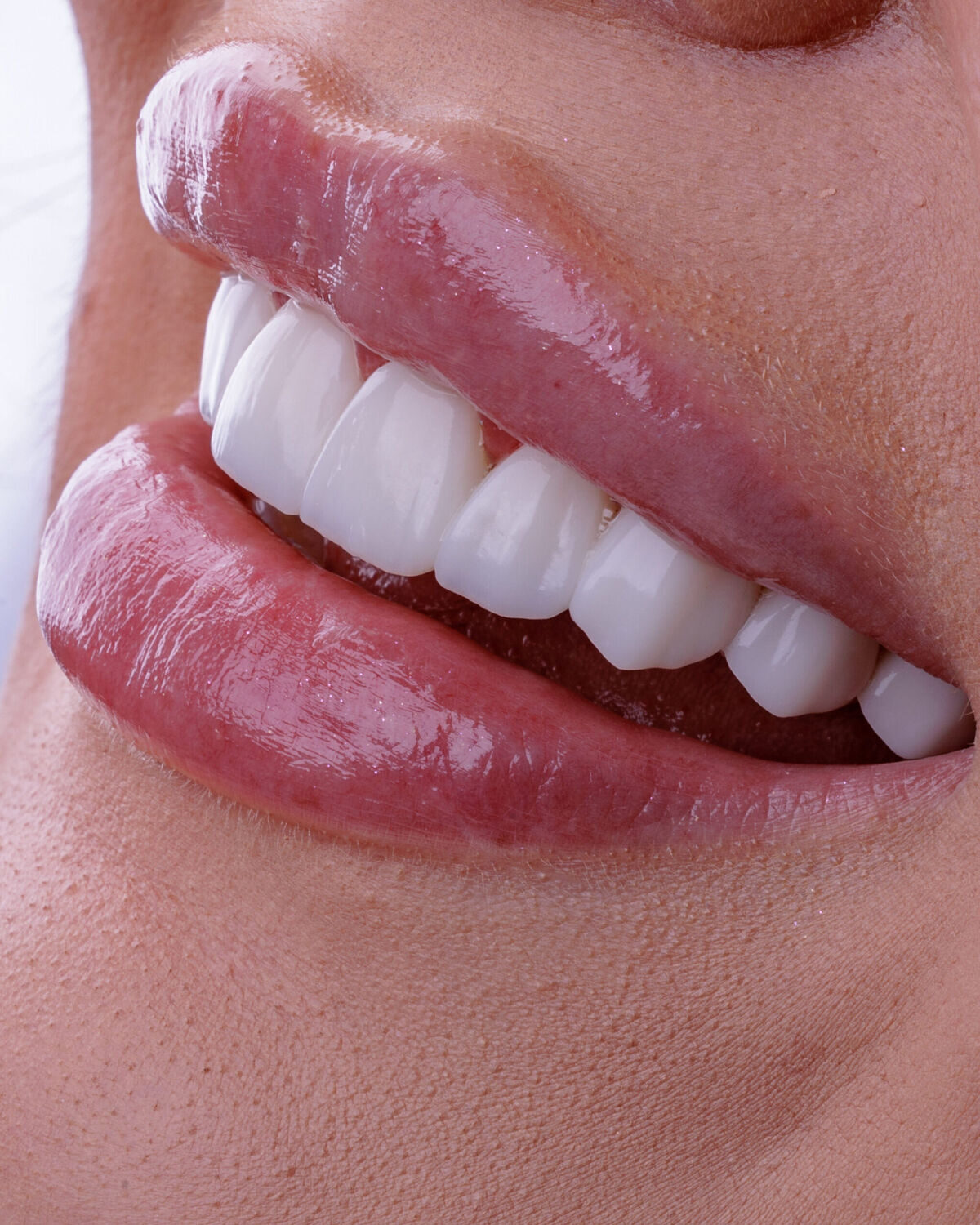
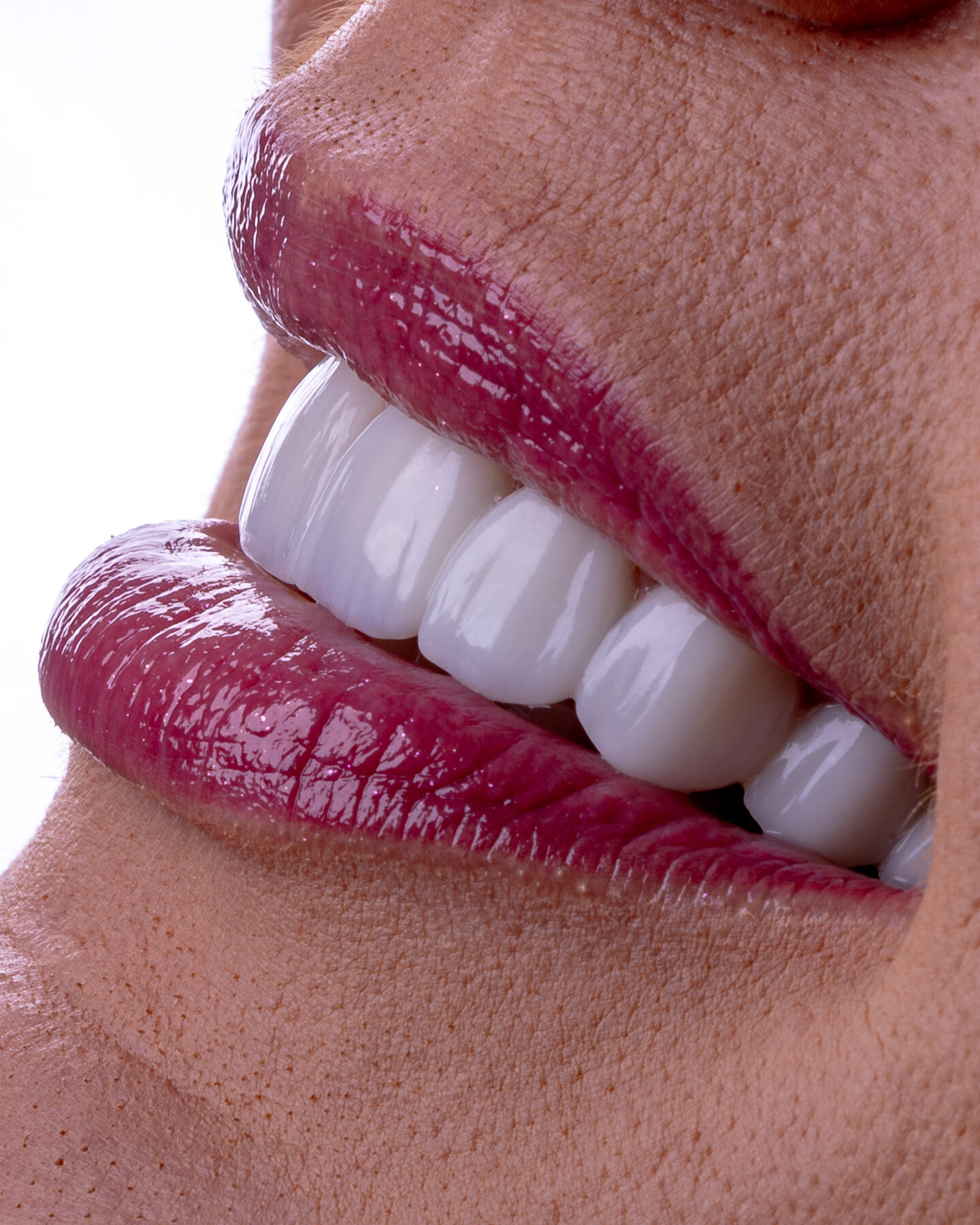
It is a comprehensive change of the appearance of the smile completed using an additive approach - without tooth tissue preparation. The dentist models individual teeth (or the entire arch) with the composite, reproducing proportions, length, colour and texture. In complex cases, it also includes occlusal planning and gingival contouring. Reversible technique and less invasive than porcelain veneers.
Composite layering and flow injection —
what is the difference?
In the layering technique, the composite is applied manually, layer by layer. This allows you to control the anatomy, texture, colour and surface finish. In flow injection, the flowable composite is introduced through a silicone index prepared on the basis of wax-up. The technique is faster and transfers the planned shape well, but it gives less scope for individual characterisation. Both methods have their indications and limitations.
Will I receive continuing education credits?
Yes. The course is submitted for accreditation at the Regional Medical Chamber - the exact number of continuing education credits will be provided in the regulations after the accreditation procedure is completed.
What if I need to cancel after payment?
The deposit is non-refundable and confirms your place in the group. If you cancel more than 30 days before the course, we will refund the remaining part of your payment. After that, the full amount is non-refundable, but you can transfer your place to another dentist.
07 — Apply

Course for practitioners.

First edition · 8 places

Hotel Binkowski, Kielce. One day of intense work. Dr. Smurzyńska's original workflow.

Small group

8 places · individual workstations · correction at the typodont

Materials and tools

List of composites, instruments and accessories used in the composite bonding course

Funding

KFS funding up to 90% · OIL reimbursement

Investment

6 900PLN

Course participation · hands-on workstation · training materials · funding options

Apply